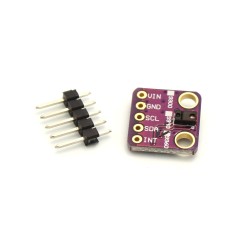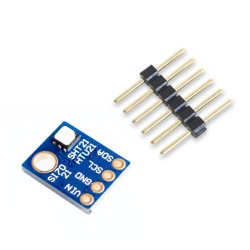
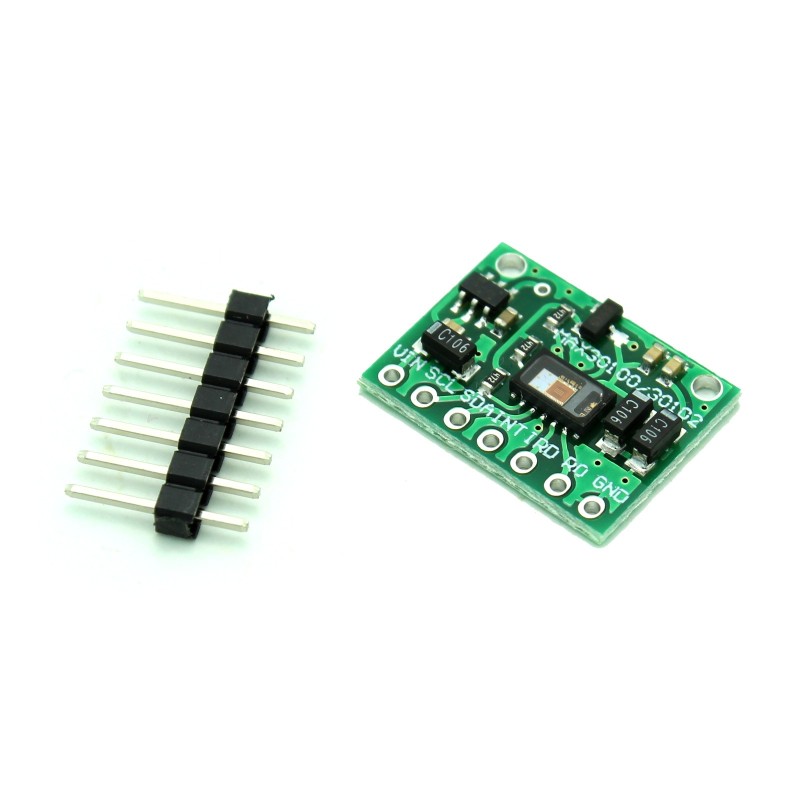


Monitor Heart Rate and Blood Oxygen Levels with ease. This blood oxygen level sensor measures the SpO2 and heart rate from a person's wrist or fingertip. Useful for wearables or medical monitoring. Arduino & Raspberry Pi Compatible. I2C Serial
 Security policy
(edit with the Customer Reassurance module)
 Delivery policy
(edit with the Customer Reassurance module)
 Return policy
(edit with the Customer Reassurance module)
Maxim Integrated MAX30102 High-Sensitivity Pulse Oximeter and Heart-Rate Sensor for Wearable Health Monitoring. Measures the SpO2 oxygen saturation in a person's blood useful detecting respiratory illnesses early through wearables and medical monitoring.
Specifications:

Monitor Heart Rate and Blood Oxygen Levels with ease. This blood oxygen level sensor measures the SpO2 and heart rate from a person's wrist or fingertip. Useful for wearables or medical monitoring. Arduino & Raspberry Pi Compatible. I2C Serial