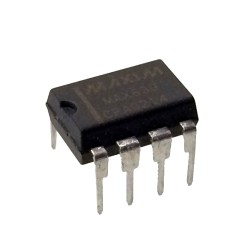
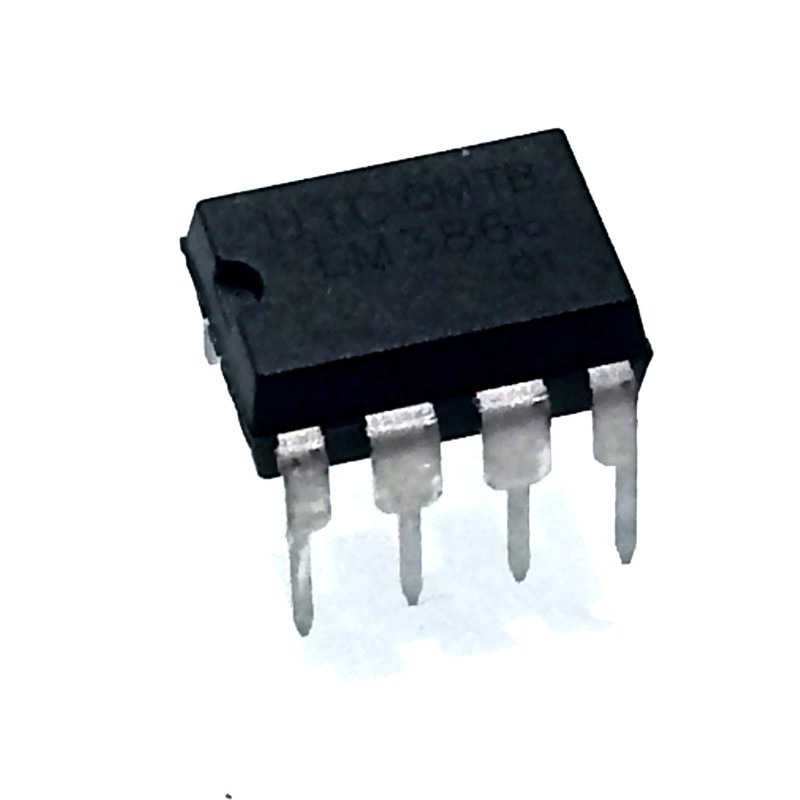
LM386 Low Voltage Audio Amplifier
search
  • LM386 Low Voltage Audio Amplifier
  • LM386 Low Voltage Audio Amplifier
  • LM386 Low Voltage Audio Amplifier

LM386 Low Voltage Audio Amplifier

$1.75
✅SHIPS TODAY

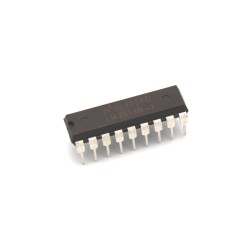
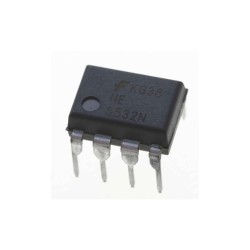
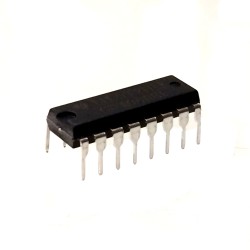
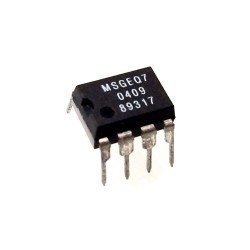
The LM386 is a single audio amplifier designed for low voltage applications, commonly used in guitar amps, radios and other audio related hobbyist projects.

Quantity

  Security policy

(edit with the Customer Reassurance module)

  Delivery policy

(edit with the Customer Reassurance module)

  Return policy

(edit with the Customer Reassurance module)

This Audio Amplifier, or Op Amp (operational amplifier), gives you the ability to amplify an analog signal with ease. Great for beginners looking to build a simple audio amplifier to get started with electronics. As opposed to the TS-349 Op Amp, this is a single amplifier with the internal gain set to 20 by default to keep part count low. With 1 Amplifier inside you can amplify 1 signal with 1 chip. For 2 Amplifiers in a single chip check out the TS-349 Op Amp. This amplifier is most useful for audio applications where you simply want to amplify a single signal. Also used in robotics for amplifying analog sensor readings. Optionally, if you add an additional resistor and/or capacitor between pins 1 and 8, you can increase the gain to any value from 20 to 200.

A little background on Op Amps:

The circuit symbol for an op amp is:

The op amp obeys the input-output relationship:

wpe1.gif (1042 bytes)

where vo is the output voltage, v+ and v- are, respectively, the voltages at the non-inverting and inverting inputs, and A is the amplifier gain.

Quick Getting Started Pin Hookup Explained:


  •   2 Input Pins:
    • Pin 3: Non-Inverting Input 1 (V+)
      • This is the pin you will send the signal you want to amplify into.
    • Pin 2: Inverting Input 1 (V-)
      • This is the pin for the signal you want subtracted from Pin 3's value before amplifying. Set this to GND to amplify the full signal on Pin 3.

  • 2 Output Pins:
    • Pin 5: Output (Vo)
      • This pin is the amplified difference of Pin 3 and Pin 2. (This will simply be amplified Pin 3 if you've set Pin 2 to GND.)
 
  • Power Pins:
    •  Pin 6: Power (VCC)
      • This pin provides power to the chip. Give it 4V - 12V
    • Pin 4: Ground (GND)
      • This pin is Ground for the chip. Give it 0V

  • Other Pins:
    • Pins 1 & 8: Gain 
      • Placing a capacitor across these pins alows you to control the gain (amount of amplification) very easily. Varying the capacitor value will vary the gain.
    • Pin 7: Bypass
      • This pin allows you to access the unamplified input if you'd like to.


Specifications:

  • Operating Voltage: 4V - 12V
  • Default Gain set to 20 to save on external parts. (Can be varied via capacitor value across pins 1 and 8)
  • Voltage Gain Range: 20 - 200
  • Output Power:
    • With 8 Ohm Load (such as our 8 Ohm Speaker) @ Vcc = 6V: 325mW
    • With 8 Ohm Load (such as our 8 Ohm Speaker) @ Vcc = 9V: 700mW
  • Bandwidth:
    • With Vcc = 6V and nothing attached to pins 1 and 8: 300kHz
  • Total Harmonic Distortion: 0.2%
  • Rejection Ratio: 50dB
  • Input Resistance: 50kΩ
  • Number of Pins: 8
  • Operating Temperature Range: -20 to 85 C
  • Manufacturer Part Number: LM386

Click here to download the Datasheet.

TS-435
92 Items
Comments (0)
No customer reviews for the moment.